
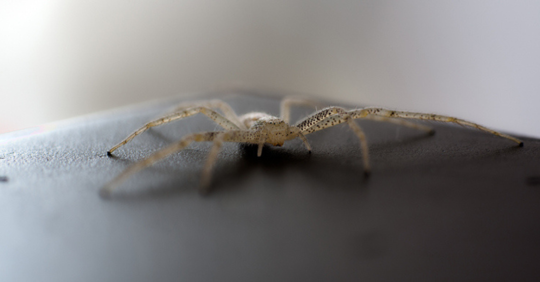
When temperatures drop in Amarillo, spiders don't just disappear—they move indoors seeking warmth and shelter. Understanding which eight-legged visitors are sharing your home this winter and knowing how to respond can help you keep your family comfortable and protected during the colder months.
Spotting spiders in your home? Don't wait until the problem grows. Contact Ace Pest Control today at (806) 607-6416 or fill out our online contact form for fast, effective solutions.
Why Spiders Enter Amarillo Homes During Winter
As winter settles across the Texas Panhandle, spiders face the same challenge you do: staying warm. Unlike many insects that die off or enter dormancy, spiders actively seek protected spaces where they can survive until spring. Your home offers exactly what they need—stable temperatures, dry conditions, and often a steady food supply of other insects.
The transition from fall to winter triggers increased spider activity indoors. As outdoor temperatures become unpredictable, spiders find their way through tiny cracks around windows, gaps under doors, utility line entries, and foundation openings. Once inside, they're drawn to quiet, undisturbed areas like basements, closets, attics, and storage spaces where they can build webs and hunt for prey without interference.
Common Winter Spiders in Amarillo Homes
House Spiders
The American house spider is the most frequent winter guest in Amarillo residences. These small brown spiders, typically measuring about a quarter-inch in body length, build messy, tangled webs in corners and along ceilings. While their cobwebs might be unsightly, house spiders pose no real threat to humans. They're actually beneficial, feeding on common household pests like flies, mosquitoes, and even other spiders.
Wolf Spiders
Wolf spiders can startle homeowners with their larger size and quick movements. These robust, hairy spiders range from half an inch to over an inch in body length and are typically brown or gray with distinctive markings. Unlike web-building species, wolf spiders are hunters that chase down their prey. They're often found on floors, particularly in basements and garages. Though their appearance might be intimidating, wolf spider bites are rare and typically no worse than a bee sting.
Brown Recluse Spiders
The brown recluse deserves special attention as it's one of the few medically significant spiders in the Amarillo area. These spiders are tan to dark brown with a distinctive violin-shaped marking on their back. They prefer dark, dry, undisturbed areas like closets, storage boxes, and behind furniture. Brown recluse spiders are reclusive by nature—they don't bite unless trapped against skin, such as when putting on clothing or shoes where they've hidden.
Jumping Spiders
Jumping spiders are small, compact spiders with large front-facing eyes that give them an almost curious appearance. These athletic hunters don't build webs but instead stalk and pounce on their prey. They're typically found on walls and windowsills during daylight hours. Jumping spiders are harmless to humans and are actually quite effective at controlling other pest insects.
Identifying Potentially Dangerous Spiders
Most spiders you'll encounter in your Amarillo home are harmless, but knowing how to identify the exceptions provides peace of mind. The brown recluse is the primary concern in our area.
Key identification features:
- Body length of about 1/4 to 1/2 inch (not including legs)
- Uniform tan to dark brown color
- Violin-shaped marking pointing toward the abdomen
- Six eyes arranged in three pairs (most spiders have eight eyes)
- Long, thin legs without spines or banding
If you're uncertain about a spider's identity, it's better to exercise caution. Avoid handling any spider you can't positively identify, and consider capturing it safely in a jar for professional identification. Taking a clear photo can also help pest control professionals determine the species without direct contact.
Health Risks and When to Seek Help
Spider bites are relatively uncommon because spiders typically avoid humans. Most species only bite when they feel threatened or trapped. The majority of spider bites cause minor symptoms similar to other insect bites: localized redness, mild swelling, and temporary discomfort.
Brown recluse bites require more attention. Initial symptoms might seem mild—a small red mark or slight pain. However, over the next few hours to days, the bite can develop into a painful ulcer as the venom destroys skin tissue. If you suspect a brown recluse bite, clean the area with soap and water, apply ice, and seek medical attention promptly. Bring the spider with you if you were able to capture it, as positive identification helps doctors provide appropriate treatment.
Preventing Spider Infestations This Winter
Taking proactive steps now can significantly reduce spider activity in your home throughout the winter season. The key is making your home less accessible and less attractive to these eight-legged seekers.
Seal entry points:
- Inspect and seal cracks in your foundation and exterior walls
- Install or replace weatherstripping around doors and windows
- Add door sweeps to exterior doors
- Cover vents and utility openings with fine mesh screens
- Fill gaps around pipes and wires entering your home with caulk or foam
Reduce attractants:
- Keep outdoor lighting to a minimum, as lights attract insects that spiders feed on
- Store firewood away from your home's exterior
- Trim vegetation so it doesn't touch your home's siding or foundation
- Remove debris, leaf piles, and clutter from around your property
- Keep storage areas organized and reduce cardboard boxes that provide hiding spots
Regular cleaning disrupts spider habitats before they become established. Vacuum regularly, paying special attention to corners, behind furniture, and along baseboards. Remove webs as soon as you spot them—this encourages spiders to relocate elsewhere.
Safe Spider Removal Techniques
When you encounter a spider in your home, you have several options for removal that don't require direct contact. For non-threatening species, the catch-and-release method works well: place a glass or jar over the spider, slide a piece of cardboard underneath, and transport it outside. Remember that spiders help control other pest populations, so releasing them outdoors when weather permits allows them to continue this beneficial role.
For spiders in hard-to-reach locations or when you're dealing with multiple specimens, a vacuum with a hose attachment offers a hands-off solution. After vacuuming, dispose of the bag or empty the canister outside to prevent spiders from escaping back into your home.
However, if you're dealing with brown recluse spiders, multiple spiders appearing regularly, or you're simply uncomfortable handling the situation yourself, professional intervention becomes the practical choice. Attempting DIY treatments with over-the-counter pesticides can sometimes scatter spiders further into your home without addressing the underlying problem.
When Professional Pest Control Makes Sense
Some spider situations call for expert assessment and treatment. Professional pest control services can identify the species present, locate hiding spots and entry points you might miss, and implement targeted treatments that address both current infestations and future prevention.
Consider professional help when you're finding multiple spiders consistently, when you've identified brown recluse spiders, or when your prevention efforts aren't producing results. Professional technicians have access to specialized products and application methods that provide more thorough and longer-lasting control than consumer products. They can also treat potential insect prey populations that might be attracting spiders to your home in the first place.
A comprehensive inspection can reveal conditions conducive to spider activity that aren't obvious to homeowners. Small foundation cracks, hidden moisture problems, or gaps in construction that provide access—these are issues professionals are trained to identify and address through spider control services.
Take Action Against Winter Spider Problems
Winter doesn't have to mean sharing your Amarillo home with unwanted eight-legged guests. Whether you're dealing with an active spider problem or want to prevent one from developing, Ace Pest Control provides experienced, effective solutions tailored to your specific situation. Our team understands the spider species common to the Texas Panhandle and knows how to address them while keeping your family's comfort in mind.
Reach out to us at (806) 607-6416 or complete our online contact form to schedule an inspection and reclaim your peace of mind this winter.